
Denver, Colorado
Window work in Denver
Denver is not one window market. It is at least three, and the price you should expect depends entirely on which one your house sits in.
The pre-war core, roughly Capitol Hill through Baker, Curtis Park, Whittier and Congress Park, is full of old-growth wood double-hung sashes that are painted shut and single glazed. The mid-century belt, places like Virginia Village and parts of Harvey Park, runs to steel and early aluminium units with no thermal break. And the post-1995 wave, Central Park, Green Valley Ranch, Lowry, is now old enough that the original insulated glass units are failing on schedule.
What Denver's housing stock means for your windows
| Built | Typical window | What fails | Usual answer |
|---|---|---|---|
| 1890 to 1930 | Wood double-hung, single glazed, weights and cords | Cords, glazing putty, paint-sealed sashes | Restoration plus storm windows, often cheaper and better looking than replacement |
| 1930 to 1960 | Steel casement, early aluminium | Rust, no thermal break, heavy condensation | Full-frame replacement |
| 1960 to 1990 | Aluminium slider, early vinyl | Frame conduction, failed rollers, brittle vinyl | Insert or full-frame replacement |
| 1995 to 2010 | Vinyl double-glazed, argon fill | Edge seals reaching 20 to 25 years and fogging in batches | Glass unit replacement first, whole-house pricing if several have gone |
That last row is the one that surprises people. If three windows fogged this year, the rest were built the same week by the same machine, and they are on the same clock. Price the whole house even if you only replace part of it now.
The local hazard to plan around
Altitude, first. Denver's 5,280 feet is not trivia. A sealed glass unit assembled near sea level arrives here with higher internal pressure than the air outside, and it bows. That constant stress fatigues the edge seal for the whole life of the window. Units specified for this market are shipped with a capillary breather tube or an altitude-adjusted gas charge. Ask every bidder which their supplier uses, and treat a blank look as a disqualifier.
Then hail. Denver sits in one of the most hail-exposed corridors in the country. Hail seldom shatters modern glass. It dents aluminium cladding, cracks vinyl at the welds, and destroys screens, and the water finds those openings months later. After any significant storm, photograph the elevations and call your insurer before you call a contractor.
And the daily swing. Thirty to forty degrees between afternoon and dawn is an ordinary Denver spring day. Every swing works the frame against the glass. This is the practical argument for fiberglass over vinyl on large or west-facing openings: it expands at close to the same rate as glass, so the seal takes less punishment.
Permits and approvals in Denver
Permits are handled by Denver Community Planning and Development. In practice, expect a permit whenever the rough opening changes size, whenever a basement egress window is added, and whenever the work is structural. Your contractor pulls it. Get the permit number in writing before the first window comes out, because an unpermitted egress window becomes your problem at resale, not theirs.
Denver also has a substantial set of designated landmark districts and individually designated structures. If you are in one, exterior window changes go through design review first. Sightlines, materials and light patterns all get scrutinised. Contractors who work the historic core routinely have this conversation; contractors who do not will cost you two months.
Neighbourhoods we cover
Capitol Hill, Cheesman Park, Congress Park, Baker, Highland and the Highlands, Berkeley, Sunnyside, Curtis Park, Five Points, Whittier, City Park West, Park Hill, Montclair, Washington Park, Platt Park, Rosedale, Virginia Village, Bear Valley, Harvey Park, Athmar Park, Sloan's Lake, Jefferson Park, LoHi, RiNo, Central Park, Lowry, Green Valley Ranch, Montbello and Stapleton.
ZIP codes served: 80202, 80203, 80204, 80205, 80206, 80209, 80210, 80211, 80218, 80219, 80220, 80223, 80230, 80238.
Services available in Denver
- Window replacement for failed seals, drafts and rot
- Window installation for new openings, additions and basement egress
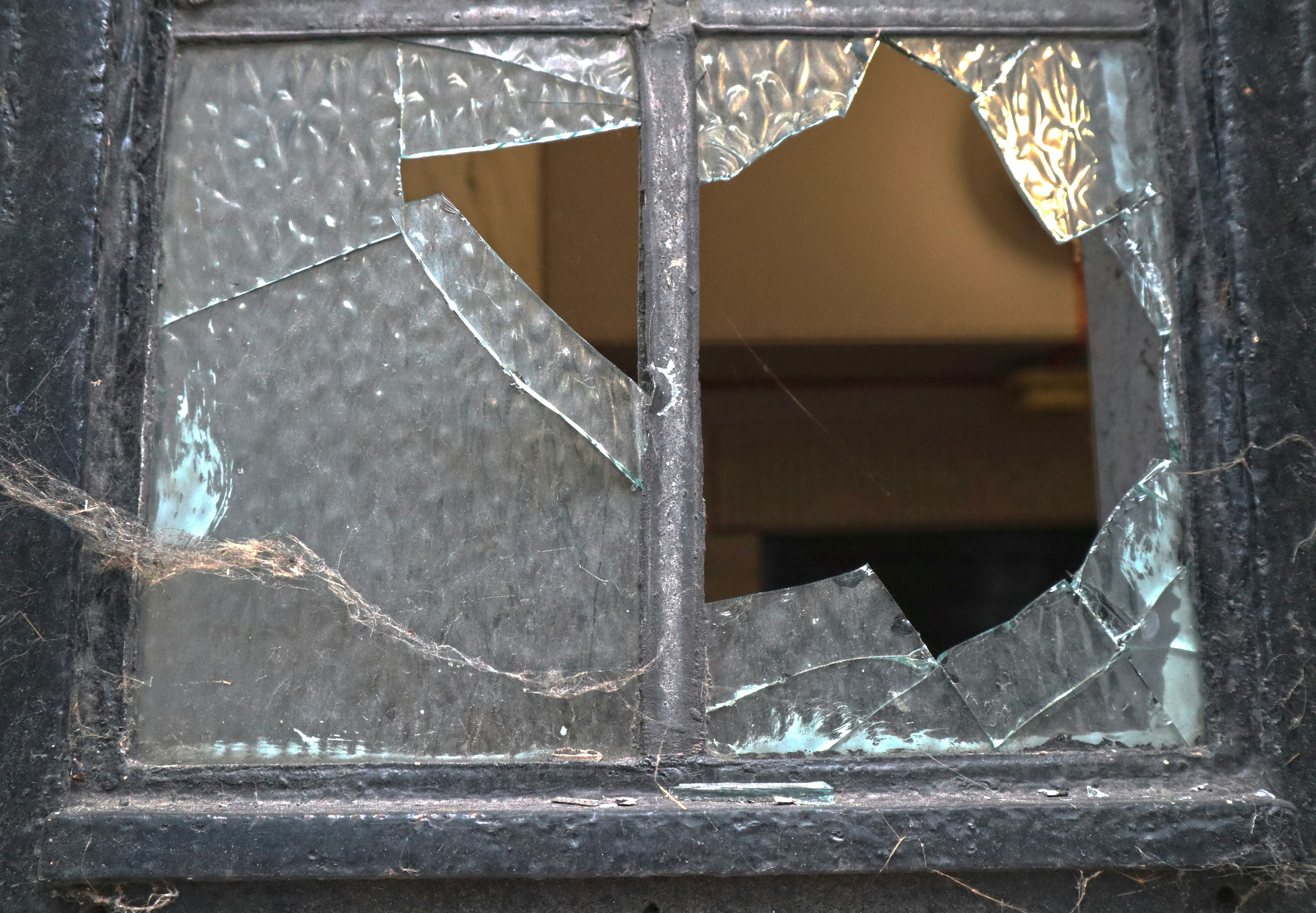
- Window repair for foggy glass, hail damage and broken hardware
- Window cleaning for glass, screens, tracks and hard water spots
Denver window questions
Do I need a permit to replace windows in Denver?
Denver requires a building permit for most window work that alters the opening, and always for a new basement egress window. A like-for-like swap in the same opening is treated more lightly, but the rule is enforced by Denver Community Planning and Development, not by your contractor's opinion. Ask for the permit number in writing.
My house is in a Denver landmark district. What changes?
Exterior alterations in a designated historic district need design review before work starts. That usually means matching the original sightlines, materials and divided-light pattern, and it often means restoration is an easier approval than replacement. Budget weeks for the review, and hire someone who has been through it before.
What is the most common window problem in Denver homes?
It splits by era. In the pre-1940 core it is painted-shut sashes, broken cords and single glazing. In homes built from the mid-1990s to mid-2000s it is insulated glass units reaching the end of their seal life all at once.
Can I put egress windows in a Denver garden-level basement?
Usually yes, and it is one of the most common jobs in the city because so much of Denver's housing stock has a garden-level or full basement. It needs a code-compliant opening, often a window well with drainage, and a permit. Done properly it converts a basement room into a legal bedroom, which is why it also tends to pay for itself at resale.
Nearby cities
Compare Denver window quotes
One request. Up to four licensed local contractors. No fee to you, and no obligation to hire anyone.