
The question nobody selling windows wants asked
Does this window need repairing or replacing?
A replacement company earns several thousand dollars from your window. A repair earns a few hundred. Guess which answer you hear more often. Here is the honest split.
| What you are seeing | Likely fix | Rough Denver cost |
|---|---|---|
| Permanent fog or haze between panes, frame is sound | Replace the insulated glass unit only, keep the frame and sash | $200 to $600 per opening |
| Window will not stay up, or slams down | New sash balance or spiral spring | $75 to $250 |
| Casement will not crank closed | New operator and hinge track | $100 to $250 |
| Torn or missing screen | Re-screen the existing frame, or a new frame | $35 to $120 |
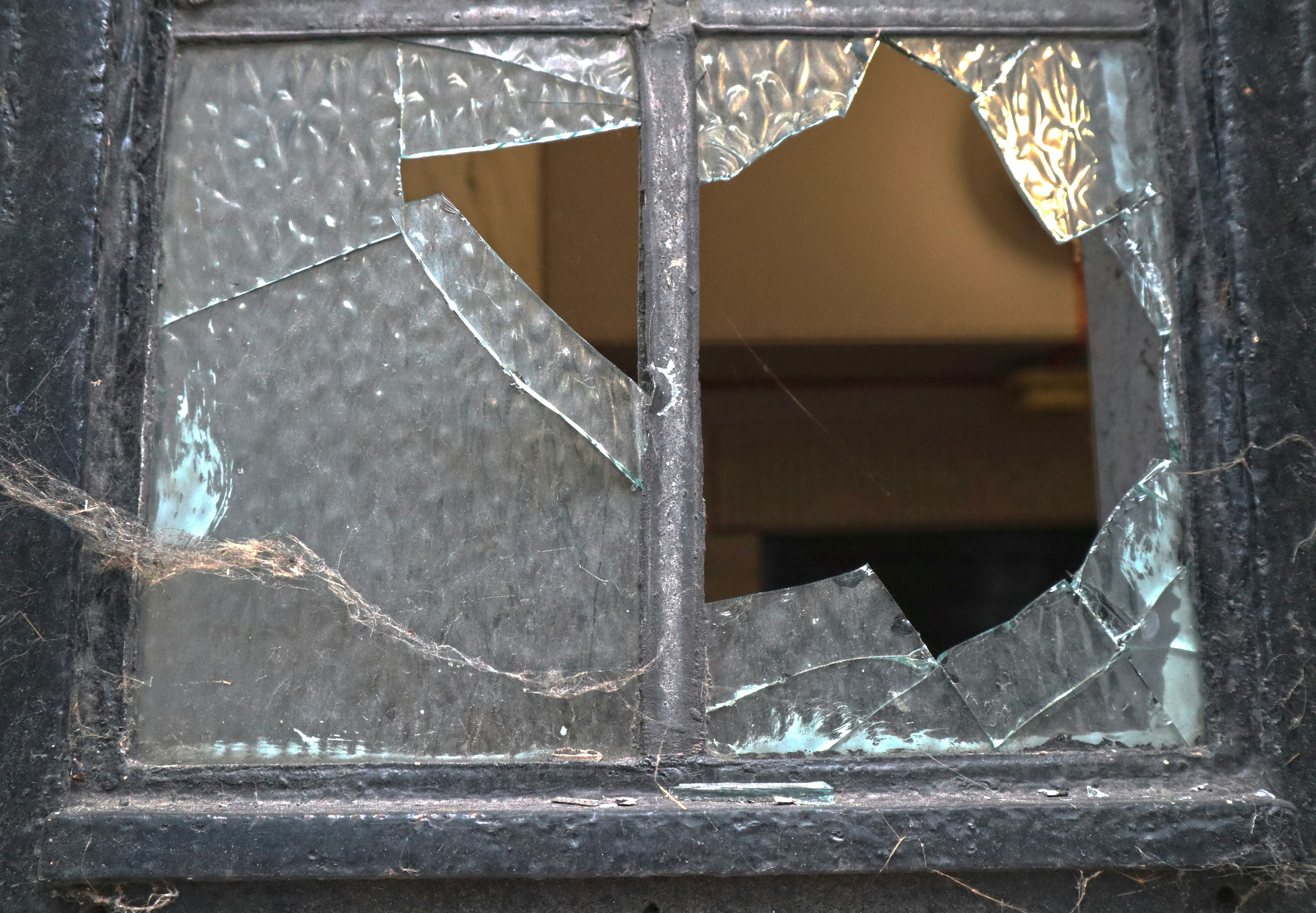
| Single cracked pane, single glazing | Cut and glaze a new pane | $150 to $350 |
| Painted shut, cords broken, 1900s double-hung | Sash restoration, new cords, pulleys and weights | $150 to $400 per window |
| Soft or spongy sill, dark staining, mushroom smell | Full-frame replacement. Rot does not stop. | See replacement |
| Six or more units fogged at once | They were installed together and are failing together. Price the whole house. | See replacement |
Foggy glass, explained properly
A modern window is two or three panes separated by a spacer, sealed at the edge, with argon or krypton gas between them. A desiccant inside the spacer absorbs the small amount of moisture that gets in. When the edge seal fails, the gas leaves and moist air arrives. The desiccant saturates. From then on, every warm afternoon drives moisture into the cavity and every cold night condenses it on the glass. The haze becomes permanent, and mineral deposits etch the inner surfaces.
Two consequences follow. The window now insulates roughly like single glazing, so your comfort complaint is real, not imagined. And the fix is a new glass unit, not a new window, provided the frame and sash are still square and sound.
You will see companies advertising window defogging: they drill the glass, flush it, and fit a vent. The haze goes. The seal is still broken, the gas is still gone, and the insulating value does not come back. It is a cosmetic repair sold as a performance one.
Hail damage: handle the insurance first
Colorado's Front Range takes more damaging hail than almost anywhere in the United States. Hail rarely breaks a modern tempered or laminated pane outright. What it does is dent aluminium cladding, crack vinyl at the corners, shred screens, and drive water past compromised glazing beads. The damage shows up as a leak six months later.
- Photograph every elevation, close up and wide, before anyone touches it.
- Write down the storm date. Carriers match claims to recorded storm events.
- Call your carrier and open the claim yourself.
- Get an independent contractor estimate alongside the adjuster's.
- Read any assignment of benefits document twice. It can hand your claim to a contractor and cut you out of the negotiation.
Two warnings. A contractor offering to waive, absorb or rebate your deductible is proposing insurance fraud, and the claim is in your name. And a storm-chasing crew with out-of-state plates and no Colorado licence will not be here when the flashing leaks next spring. Verify the licence before you sign.
Older Denver homes: repair is often the better build
Capitol Hill, Baker, Congress Park, Whittier, Olde Town Arvada. Homes from the 1890s to the 1920s came with old-growth wood double-hung sashes, and that wood is denser and more rot resistant than anything you can buy new. A properly restored sash with new cords, new weatherstripping, and a good storm window can match a mid-range replacement unit on comfort while keeping the profile the house was designed with.
If your home sits in a Denver landmark district, exterior changes go through design review anyway. Restoration usually clears that process faster than replacement does.
Common questions
Can a foggy double-pane window be fixed without replacing it?
Sometimes, and the honest answer depends on the frame. The reliable fix is a new insulated glass unit dropped into your existing frame and sash, which typically runs a few hundred dollars per opening instead of a full replacement. Defogging services that drill the glass and vent it remove the visible haze but do not restore the seal or the insulating gas. Treat defogging as cosmetic.
How much does window repair cost in Denver?
Rough bands: a broken sash balance or crank operator, $75 to $250. A new screen, $35 to $120. Replacing a failed insulated glass unit in an existing sash, $200 to $600 depending on size and coating. Historic double-hung sash cord and pulley work, $150 to $400 per window. A single broken pane in a single-glazed steel casement, $150 to $350.
Is it worth repairing old windows or should I replace them?
Repair wins when the frame is sound and one component has failed. Replace when the frame is rotten, the sill holds water, multiple units have failed at once, or the windows will not operate at all. A useful test: if the repair costs less than a third of replacement and buys you five more years, repair.
My windows were damaged by hail. What should I do first?
Photograph everything before you touch it, note the storm date, and call your insurance carrier. Get your own contractor quote as well as the carrier's estimate. Do not sign a contract that assigns your claim benefits to a contractor without reading exactly what you are giving up.
Can painted-shut windows be made to open again?
Usually yes, and it is common in Denver's older neighbourhoods. A carpenter scores the paint line, frees the sash, replaces the cords or balances, and re-waxes the tracks. On a 1900s-era double-hung this is restoration work and it is worth doing well.
Where we work
Denver, Aurora, Lakewood, Arvada, Westminster. Related: replacement, installation, cleaning.
Get a repair price before a replacement pitch
One fogged unit is a few hundred dollars. Find out which of your windows are in that category before anyone quotes the whole house.